 Soil treatment
Engineering articles
What is the difference between soil grouting and underpinning?
How soil grouting and foundation underpinning work and what engineers need to choose a suitable approach.
By HAMAT Group Content updated
The cause of movement guides the choice
Soil grouting is a group of ground treatment methods. Underpinning has a structural purpose: to increase the support of an existing foundation or change how its loads transfer to the ground. Grouting can form part of an underpinning solution where supported by the design.
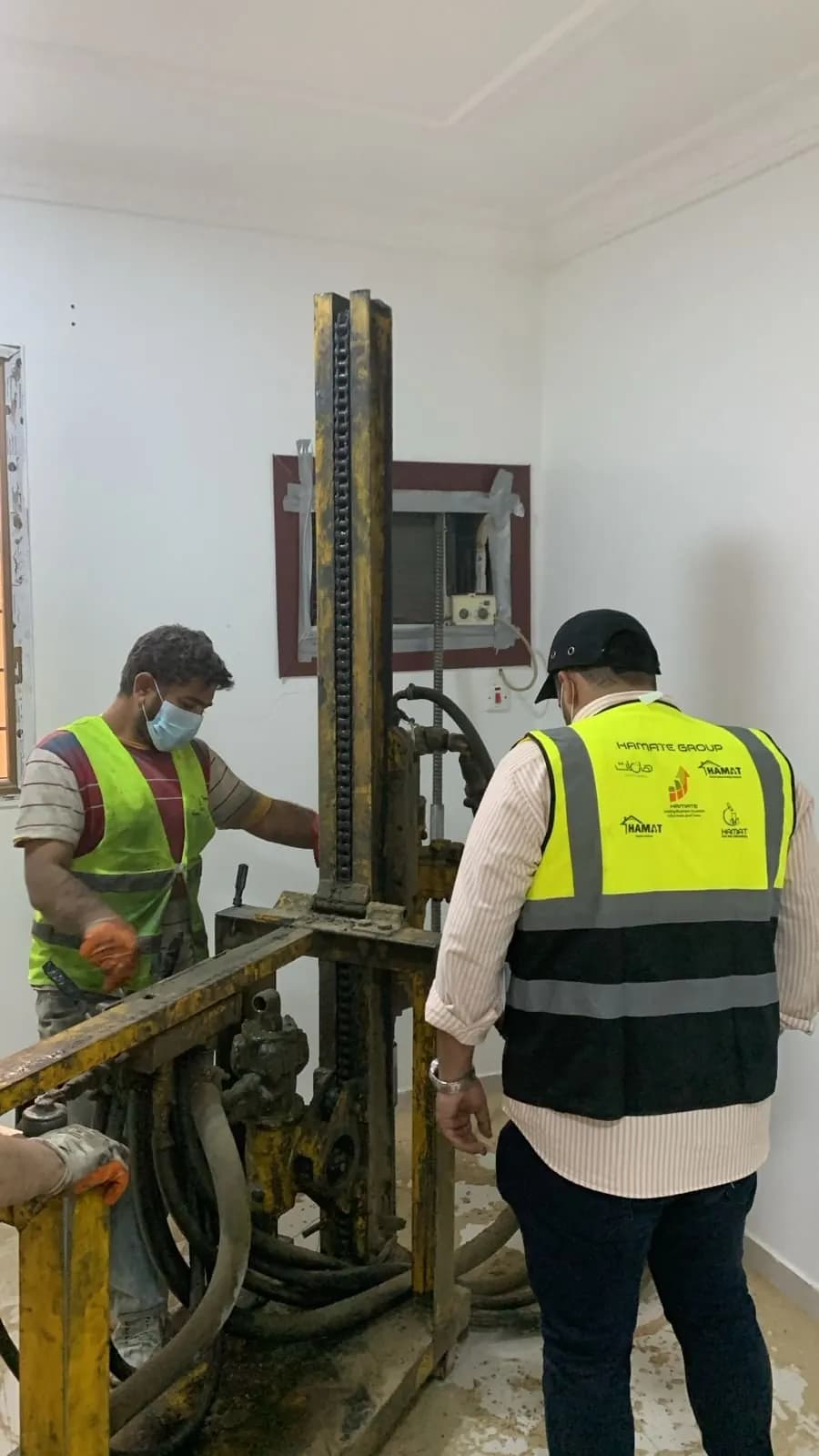
What information does an engineer need?
The engineer reviews the ground investigation, foundation type and loads, the history of movement, water sources and equipment access. Additional measurements or testing may be needed to establish whether the loss of support is localised or widespread. The design then defines the work sequence and appropriate verification.
What work does HAMAT carry out?
HAMAT provides soil grouting to a scope defined by the site assessment and execution plan. Micropiles are an example of an engineering option for underpinning. Available work is confirmed after reviewing the project requirements, drawings and geotechnical report.
How the two approaches differ
| Question | Soil grouting | Underpinning |
|---|---|---|
| What changes? | A defined zone of ground or a verified void is treated to the grouting design. | Support to the existing foundation or the load path changes. |
| What governs the work? | Ground or void conditions, grout material, injection locations and pressures, and monitoring criteria. | Foundation condition, loads, connection design and the sequence of load transfer. |
| How is the work checked? | Injection locations, volumes and pressure records, plus specified tests. | Installation records and design-specified checks of the support elements and connections. |